
Experience
From ranch to conservation
A visit to a working ranch that integrates cattle, tourism and jaguar conservation — and a debrief on what applies to your business.
Best for: Agribusiness, food and ESG teams
Destinations / Pantanal
Jaguars at the river’s edge, working cattle ranches and research projects you can visit. For agribusiness and ESG teams, the most honest classroom in Brazil.
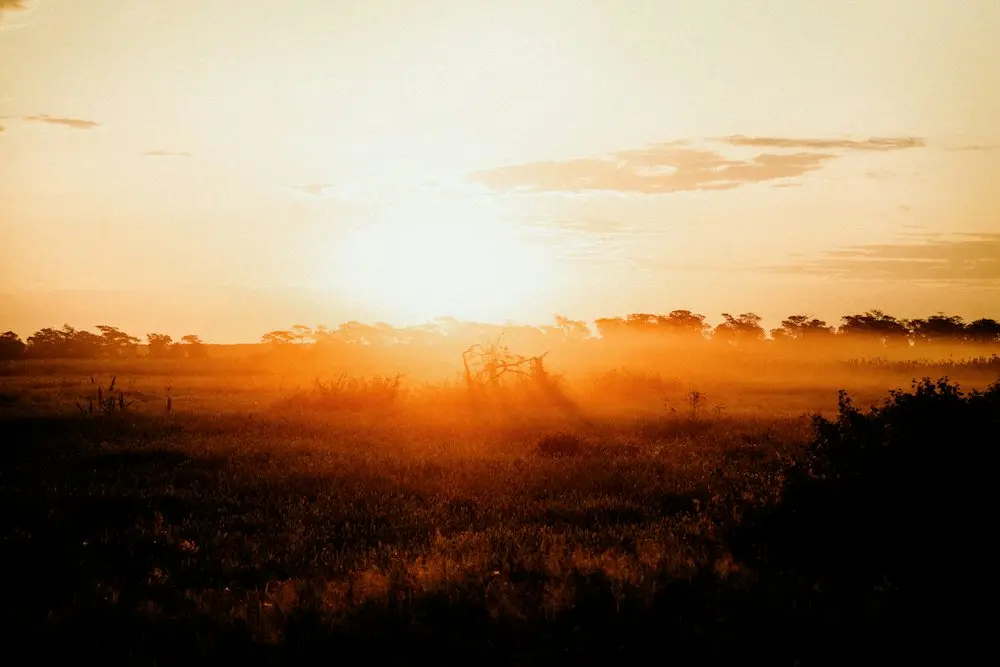
Photo: Agnieszka Stankiewicz / Unsplash
The story
At dawn the boat slows down. On the riverbank, a jaguar. Between July and October, the area around Porto Jofre is one of the best places in the world to see one.
Later, your group sits at a ranch table. Pousada Piuval, a 7,000-hectare property on the Transpantaneira, moved into tourism in 1989 and today combines cattle, ecotourism and jaguar conservation. Technical groups from the agricultural sector have visited to see how it works.
What your participants take home is not a slide about sustainability. It is a real example of a business growing while protecting the ecosystem it depends on.
Why it works for your program
The Porto Jofre area has one of the highest concentrations of jaguars in the world; July to October is jaguar season.
Source: Seguro Viagem guide (secondary source)
Mato Grosso closed 2025 with a US$27.57 billion trade surplus, led by soy, corn and beef.
Source: Imea, via CNA, 14 May 2026
Caiman Ecological Refuge — 53,000 hectares, operating since 1987 — hosts the Blue Macaw Institute and the Onçafari jaguar project.
Source: Caiman fact sheet 2025
Pousada Piuval is just over an hour from Cuiabá; Caiman is 236 km from Campo Grande airport and 182 km from Bonito.
Source: Last Frontiers; Caiman fact sheet 2025
Experiences we can design
Experience
A visit to a working ranch that integrates cattle, tourism and jaguar conservation — and a debrief on what applies to your business.
Best for: Agribusiness, food and ESG teams
Experience
Guided river safaris in the jaguar season, with English-speaking naturalists.
Best for: Top-performer incentives
Experience
Time with conservation projects such as the Blue Macaw Institute, subject to the projects’ availability.
Best for: Sustainability and leadership teams
Plan it right
The dry season (May–October) means firm roads and concentrated wildlife.
Lodges are small — Caiman has 29 rooms across three houses. Larger groups split between properties.
Some lodges require 3–4 nights in high season (June–September), with fixed arrival days.
Best for: Agribusiness and food learning journeys, ESG programs, small senior-leadership incentives.
Pairs well with
Tell us your dates, group size and goals.
Sources
Experiences involving third-party sites are subject to their availability and rules. Destination photos are illustrative and credited.